


Why Technology and Business are meant to be together and data is their shared passion
TECH TEAMS REVEAL THEIR SECRETS FOR INTEGRATING MODERN DATA SOLUTIONS.
Tech teams all over the world are feeling the pressure of juggling everyday operational requirements and the demand for data-driven insights. Find out how you can integrate modern data solutions more effectively with these top tips.
Modern organisations are realising that real-time data, information, and insight are the fuel for fast and effective decision-making. In fact, data-driven solutions can improve customer experience, drive innovation, unlock cost-savings and minimise risk.

As a result, Tech teams are feeling the pressure to capture every little bit of data, every day, and transform it into meaningful, real-time insights that the business can use. But, juggling those demands with everyday operational requirements is no mean feat.
At Perfekt, we’ve helped many Tech teams to integrate their modern data solutions successfully. Today, we’re sharing their top tips for success:
Accept that legacy technologies cannot solve modern problems. You will need to convince your entire leadership team, and eventually, the rest of your business, that legacy technologies cannot solve modern problems. Traditional data solutions that were once effective, no longer meet the needs of our evolving information landscape. Data output is growing at an astonishing rate. In fact, by 2020, every human being on the planet will produce an estimated 1.7 MB of new information, every second. Data-sets that big simply cannot be processed using traditional techniques. Your business needs modern data solutions that have the power to do the job.
Invest in your integrations. You might have sourced the most powerful modern data solution on the market, but if you don’t properly resource its integration, it’s going to be a flop. Whether you’re introducing a new data centre, data storage or cloud solution be sure to allocate sufficient labour, skills, tools and budget to its integration. Don’t set your business up to fail by under-investing in its future.
Keep security and compliance top of mind. When integrating modern data solutions, keep security and compliance top of mind. Don’t let your organisation’s data protection, archival and compliance requirements become an afterthought. It’s just not worth the risk.
Engage and support business functions. So, you’ve got a great new data solution and a well-resourced and secure integration plan. Now, all you have to do is take it to the masses. That might be easier said than done. Sometimes, people respond to new technology with resistance and fear. But, you can overcome this with an engagement plan that promotes a positive mindset towards technology, leverages key influencers and early adopters, incorporates robust testing, provides training and educational resources, and generates ongoing feedback for continuous improvement
Most importantly, don’t be too quick to step away from the functions, post-launch. Many users won’t yet have the confidence, technical expertise or permission level to self-solve issues within the new solution. At least for a while, you’ll need to keep supporting the functions, as well as centralised IT.
Remember, modern data solutions are the fuel for fast and effective decision-making. Ask yourself, what could you be doing to make your integrations more successful?
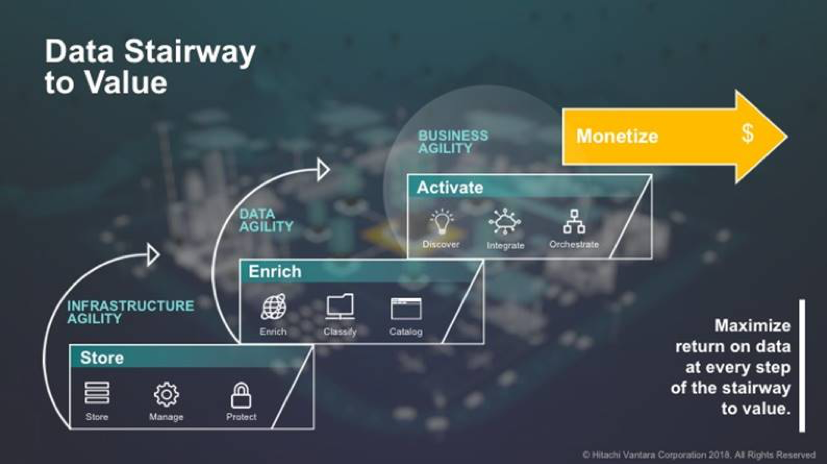
Are you ready to maximise your return on data? Together with Hitachi Vantara, Perfekt connects business, human and machine data to create Internet of Things (IoT) solutions that benefit companies and society as a whole. Leveraging machine learning and artificial intelligence, our Hitachi Vantara’s unique Data Stairway to Value helps organisations to store, protect, enrich, activate and monetise their data. If you’re ready to maximise your return on data, contact a Perfekt specialist for a free consultation or visit perfekt.com.au.



Ý tưởng công nghệ và kinh doanh gặp nhau qua dữ liệu khá dễ hình dung, nhưng triển khai chắc không đơn giản như một khẩu hiệu. Dữ liệu có thể giúp nhìn ra xu hướng, còn quyết định cuối cùng vẫn cần bối cảnh và cách diễn giải hợp lý. Tôi từng nghe nhóm bạn bàn về việc các lĩnh vực giải trí, kể cả game bài đổi thưởng, cũng thường được nhìn qua số liệu; trong câu chuyện đó có người nhắc tên nhà cái uy tín, còn tôi không biết thêm chi tiết. Bài viết khiến tôi nghĩ nhiều hơn về khoảng cách giữa việc sở hữu dữ liệu và thật sự hiểu điều dữ liệu đang…
Đọc xong bài này mình thấy ý 'data là ngôn ngữ chung' nghe hơi sáo nhưng nghĩ kỹ lại lại đúng. Hồi trước có đứa bạn nghiện mấy trò đánh số, kiểu lô đề online, nó kể chuyện ngồi xem bảng thống kê suốt mấy tháng trời để tìm quy luật. Nghe xong mình mới hiểu là cứ có số là có người muốn đọc ra gì đó, dù cái đọc ra có thật sự tồn tại hay không thì riêng. Kinh doanh cũng vậy thôi, ai nắm dữ liệu trước là nói trước được bước sau, còn lại thì đuổi theo. Điều mình suy ngẫm sau khi đọc là dữ liệu chỉ là công cụ, cách người ta diễn…
Công nghệ và kinh doanh đúng là ngày càng khó tách rời, còn dữ liệu giống như phần nối giữa quyết định và hành vi thực tế. Ở chỗ làm, tôi từng nghe mọi người chuyển từ chuyện đo lường người dùng sang lĩnh vực game bài đổi thưởng rồi nhắc đến https://sunwinplus99.com.co, nhưng tôi chưa xem đủ để biết nơi này xử lý dữ liệu theo cách nào. Vì vậy, tôi không muốn suy diễn từ một cái tên. Bài viết khiến tôi chú ý hơn đến mặt trái của việc dựa quá nhiều vào số liệu: dữ liệu có thể cho thấy một xu hướng, nhưng không tự giải thích đầy đủ động cơ, hoàn cảnh hay giới…
The idea of exploring the stories behind craft drinks gives me a reason to slow down and consider the details. Describing a flavour in ordinary words can open a conversation without requiring specialist vocabulary. That thought gives me a starting point for exploring craft drink culture in connection with Brew On. A simple comparison would help me picture the differences without rushing towards a fixed answer. What would you notice first when comparing two different drinks?
The theme of making outdoor adventures more approachable makes me curious about what people notice in their own everyday experiences. A realistic plan leaves room for changes in conditions and in how people feel along the way. That is why the connection between Bodhi Adventure and outdoor activity planning makes me want to think through an example. The smaller details are what I would want to return to, especially when an explanation feels too broad. What would you check before deciding how much to fit into an outdoor day?